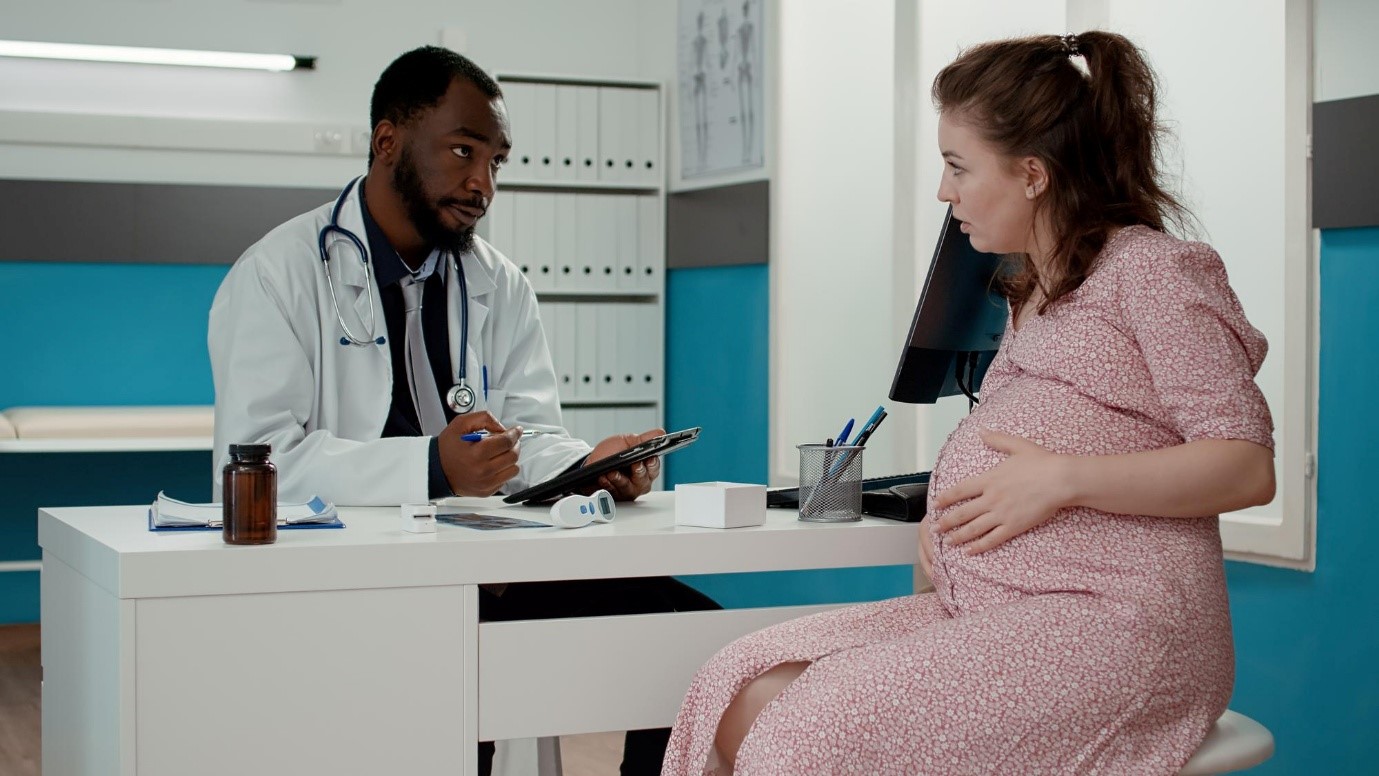
Millions of women worldwide suffer with preeclampsia, one of the most dangerous pregnancy disorders. If left untreated, it can develop quickly, manifest abruptly, and endanger the mother and child. Expectant moms should safeguard their health by being aware of how quickly preeclampsia can develop, the signs of preeclampsia at 32 weeks, and effective preeclampsia prevention techniques.
The best lady gynecologist in Thane and the best gynecologist in Thane, who regularly handle high-risk pregnancies with sophisticated care techniques, provide expert views that complement this thorough blog's exploration of symptoms, risk factors, diagnosis, prevention, and treatment.
High blood pressure and organ malfunction, frequently affecting the kidneys, liver, or brain, are the hallmarks of preeclampsia, a disorder unique to pregnancy. Rarely, it might happen earlier or even after birth, although it usually happens after 20 weeks of pregnancy.
Abnormalities in the placenta's blood arteries cause the disorder, which results in systemic stress and limited blood flow. Preeclampsia can worsen rapidly, so it's critical to recognize warning signs and seek treatment as soon as possible.
The fact that preeclampsia can develop quickly—sometimes in a matter of hours or days—even in women who previously had normal blood pressure measurements is one of its most worrisome features.
"Sudden onset despite earlier normal health" refers to acute symptoms that appear suddenly in a previously healthy individual. This presentation is typical of a number of illnesses, some of which may be emergencies that need to be treated right once.
Before the symptoms emerge out of nowhere, many women feel completely healthy. Physicians frequently stress the unexpected nature of preeclampsia. Because onset is most common during the third trimester, routine prenatal examinations are crucial.
The majority of preeclamptic mothers give birth to healthy kids and recover completely. Some women will, however, face issues, some of which could endanger the mother's or the child's life. Severe preeclampsia can develop rapidly in a woman.
Severe problems can develop from minor symptoms, such as:
Life-threatening illnesses like eclampsia, stroke, HELLP syndrome, or organ failure could result if it is not treated.
A doubling function could be used to model a straightforward exponential curve that illustrates this pattern of rapid change.
Unexpected worsening of the placental blood vascular malfunction can result in:
This unpredictability emphasizes the necessity of ongoing observation by skilled professionals, such as the best gynecologist in Thane, particularly for women with high-risk profiles.
A crucial stage of pregnancy occurs at 32 weeks. Preeclampsia symptoms frequently appear during this period because the baby is growing quickly and the placenta is operating at maximum capacity.
Women should be aware of the following indicators:
If left untreated, high blood pressure, also known as hypertension, can result in major health issues like heart disease, stroke, and renal failure because the force of blood on artery walls is continuously too high.
A serious warning sign is when high blood pressure (140/90 mmHg or more) is measured twice in a few hours. Even a small rise in blood pressure at 32 weeks should be evaluated right away.
Localized problems like an injury, bug bite, or allergic reaction, or more catastrophic illnesses like heart failure, kidney disease, or a deep vein thrombosis (DVT) blood clot, can all result in sudden body swelling.
abrupt appearance of swelling in the:
This could indicate fluid retention associated with preeclampsia.
Primary headache disorders like migraines or tension-type headaches, as well as secondary reasons like sinusitis, drug usage, or more serious problems like a brain aneurysm or stroke, can all result in strong, chronic headaches.
Increased blood pressure or neurological involvement may be indicated by headaches that are not alleviated by rest or medication.
Refractive errors (nearsightedness, farsightedness, astigmatism, presbyopia) and conditions including cataracts, glaucoma, and age-related macular degeneration are examples of common vision impairments. Regular eye exams are essential since some disorders, like glaucoma, may not cause any symptoms at first. Symptoms can include distorted lines, hazy vision, or trouble seeing in the dark.
Urgent attention is needed for symptoms like light sensitivity, impaired vision, seeing spots, or temporary blindness.
Hepatitis, pancreatitis, gallstones, or problems with the liver, gallbladder, or pancreas may be the cause of right upper abdominal pain. Musculoskeletal issues, kidney stones or infections, pneumonia, or even a hernia are additional possibilities. A medical evaluation is required for an accurate diagnosis, however symptoms like as pain following fatty foods or pain radiating to the shoulder can help identify the reason.
This may be a sign of severe preeclampsia or HELLP syndrome-related liver stress.
Reduced fetal movement is a possible red flag that has to be treated right away. If you detect a substantial decrease or change in your baby's movements, you should immediately contact your healthcare provider or visit a hospital maternity unit since it may be an early symptom of fetal distress or other issues.
A healthy baby should have regular daily activity patterns at 32 weeks. Reduced mobility needs to be noted right away.
Numerous diseases, ranging from minor ones like motion sickness or a stomach virus to more dangerous ones like a heart attack or lung infection, can produce nausea, vomiting, and shortness of breath. If you have nausea, dizziness, fainting, or chest discomfort along with shortness of breath, you should seek emergency medical attention right away since these symptoms may be signs of a heart attack or other serious illness.
These symptoms may indicate organ failure or fluid retention around the lungs, particularly if they are new in the third trimester.
Timely diagnosis and action are ensured by keeping an eye on alterations at this point under the supervision of Thane's best lady gynecologist.
Preeclampsia cannot be totally prevented, but some medical and lifestyle changes can greatly lower the risk, especially in high-risk patients. Delivery of the infant and placenta is the only proven "cure" for preeclampsia once it manifests.
Certain actions can greatly lower risk and enhance results, even if some cases are inevitable because of genetic or medical causes.
Regular prenatal examinations, keeping a healthy weight prior to pregnancy, and low-dose aspirin and calcium supplementation for high-risk individuals are important preeclampsia prevention techniques. Maintaining a balanced diet, including moderate exercise, and controlling blood pressure and blood sugar are additional crucial tactics.
In order to monitor the health of the mother and fetus, regular prenatal check-ups entail a series of appointments that usually begin as soon as pregnancy is suspected and continue every four weeks until 28 weeks, then every two weeks until 36 weeks, and then weekly after that.
Regular monitoring aids in identifying changes in blood pressure, edema, and urine protein before symptoms worsen.
A doctor would usually prescribe low-dose aspirin, a drug that prevents blood clots, to those who are at high risk of heart attack or stroke or who have had these problems in the past. Due to the possibility of bleeding, it should only be taken as advised by a medical professional.
For high-risk women, doctors may recommend low-dose aspirin (75–150 mg) beginning at 12–16 weeks. It enhances the placenta's blood flow. It should only be prescribed by an expert, such as Thane's best gynecologist.
Maintain a healthy weight, engage in regular exercise, and prioritize a heart-healthy, low-sodium diet to keep your blood pressure in check. Limiting alcohol intake, abstaining from smoking, getting enough sleep, and managing stress are also crucial. Making these lifestyle adjustments can lower blood pressure and minimize the chance of developing additional health issues.
Lifestyle habits that are beneficial include:
A balanced diet, frequent exercise, and close collaboration with a healthcare professional are key components of managing weight both before and throughout pregnancy. In order to minimize pregnancy difficulties, try to achieve a healthy weight through food and exercise before to becoming pregnant. A healthy lifestyle is essential for acquiring the right amount of weight throughout pregnancy, so keep active, eat wholesome meals, avoid severe dieting, and never try to reduce weight unless your doctor advises you to.
The risk is increased by obesity. Prevention might be aided by maintaining a healthy weight increase.
The symptoms of preeclampsia can range from mild to severe. Medical examinations are crucial since some women may not have any symptoms at all.
The term "common mild symptoms" usually refers to symptoms of mild viral infections or tiny, self-limiting illnesses like the common cold.
If a woman has these symptoms, she should seek emergency care from professionals who have been trained in managing high-risk pregnancies.
The baby's delivery is the only proven treatment for preeclampsia. However, safe pregnancy extension and symptom management are the main goals of treatment.
Delivering the baby is the primary treatment for preeclampsia; however, the timing of this procedure depends on the severity and gestational age. Close observation, drugs such magnesium sulfate to avoid seizures and antihypertensives to control blood pressure, and possibly corticosteroids to speed up fetal lung development are all part of the management for severe instances or prior to delivery. A doctor might advise frequent, close observation and at-home blood pressure tests for less serious instances.
The severity of the ailment and the fetus's gestational age are taken into consideration when managing pregnancy difficulties, since delivery is often the last resort for severe conditions.
Mild preeclampsia, which manifests after 20 weeks of pregnancy, is characterized by elevated blood pressure and frequently protein in the urine before 37 weeks.
Physicians might advise:
Pregnancy may continue under careful observation if both the mother and the unborn child stay stable.
Severe preeclampsia is a dangerous pregnancy condition that manifests as high blood pressure and organ damage beyond 20 weeks.
Immediate hospitalization is typically required. Treatment includes:
Postpartum preeclampsia is a dangerous but often neglected illness that causes high blood pressure and probable organ damage in women after childbirth. It usually appears within the first 48 hours following delivery but can last up to six weeks, even in women who had no history of high blood pressure throughout pregnancy.
Some women develop preeclampsia after giving birth, generally within 48 hours but occasionally up to 6 weeks later. Symptoms include:
Early detection and treatment are critical. Follow-up appointments with professionals can help assure healing.
Although preeclampsia is unexpected, mother and child can be protected by early detection, consistent monitoring, and evidence-based therapy. Expectant moms are empowered to take proactive measures during their pregnancy when they are aware of how quickly preeclampsia can develop, the signs of preeclampsia at 32 weeks, and crucial preeclampsia prevention techniques.
Q. What signs of preeclampsia appear first?
Early warning signs include headaches, edema, elevated blood pressure, and protein in the urine.
Q. How quickly can preeclampsia develop?
Particularly in the third trimester, it might appear in a matter of days or even hours. Sudden onset is common.
Q. Is it possible to avoid preeclampsia?
Healthy lifestyle choices, low-dose aspirin (if recommended), and routine prenatal visits help lower risk, while it cannot be completely prevented.


