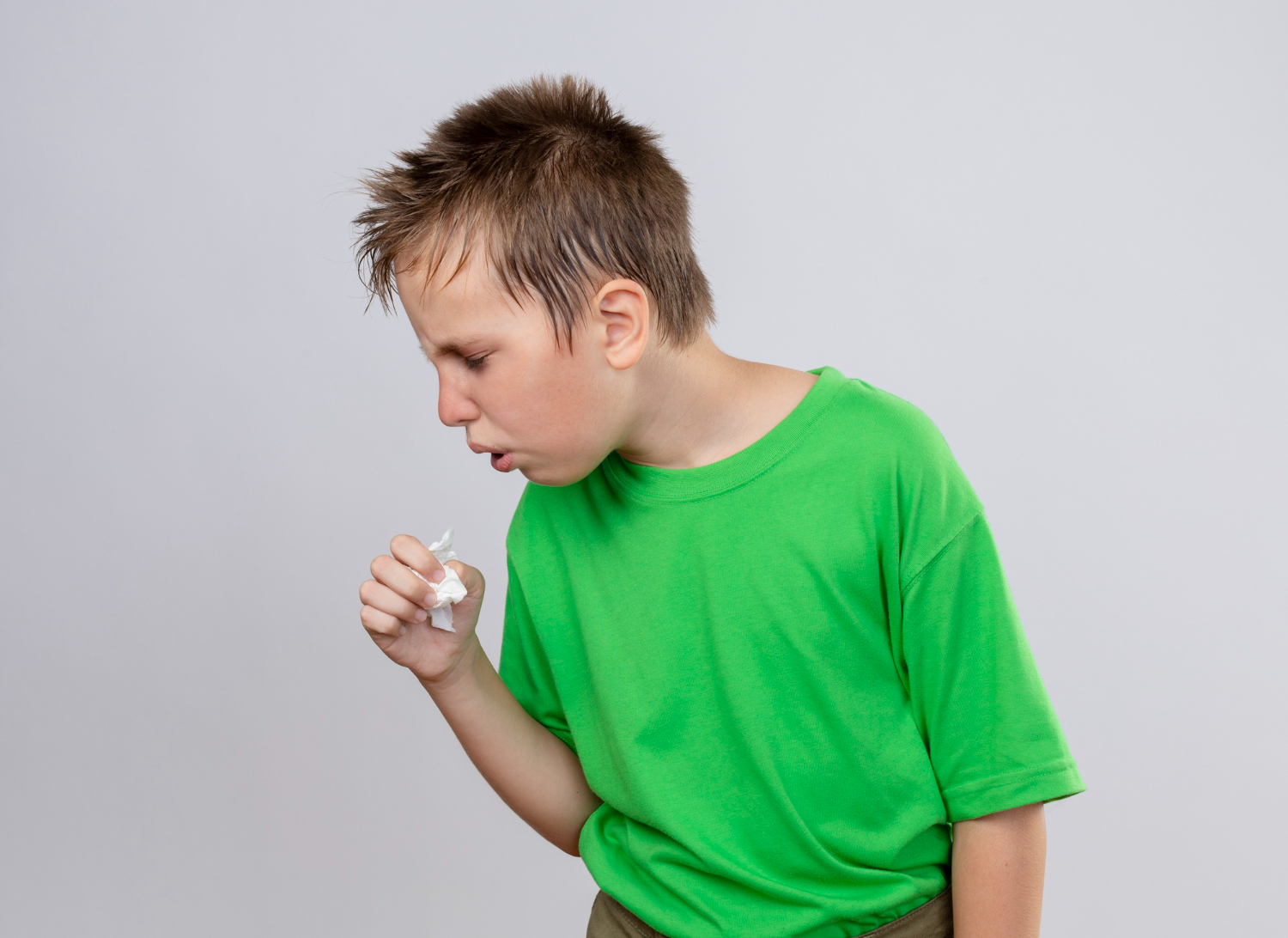
Childhood asthma is a condition that affects the airways and makes breathing difficult when triggers cause inflammation or narrowing. Many parents do not notice it early because the symptoms can look like repeated colds, tiredness, or a simple cough after playing. Over time, these small signs can become more frequent and may affect sleep, school, and daily comfort. Understanding the symptoms and triggers early can help families seek the right care and improve a child’s quality of life.
Many children show mild breathing problems before they are ever diagnosed with asthma. These early signs often come and go, which is why parents may not connect them to a chronic condition right away. Early awareness is important because asthma can quietly affect a child’s energy, sleep, and confidence. When families understand what to watch for, they can respond sooner and reduce the chance of serious breathing trouble later.
In the early stages, asthma in children may not look severe, but it often leaves repeated signs that should not be ignored. A child may cough after running, wake up at night because of breathing discomfort, or struggle more during weather changes. These symptoms can disappear for a few days and then return again, which makes asthma confusing for many families. Parents should focus on patterns rather than one isolated event. Recognizing these early clues can help doctors diagnose childhood asthma before it becomes harder to manage.
When asthma is not recognized early, symptoms can continue to disturb a child’s daily life without any proper treatment. Repeated coughing, wheezing, and breathlessness may begin affecting sleep, school performance, and playtime. A child may avoid activity simply because breathing feels harder than it should. Without early care, the risk of stronger asthma attack symptoms can increase over time. Timely attention allows parents and doctors to create a plan that reduces flare-ups and helps the child live more comfortably and confidently every day.
Many parents expect asthma to appear only during severe breathing episodes, but that is not always how it begins. asthma attack symptoms can quietly interfere with normal life through poor sleep, lower stamina, and repeated discomfort after exercise or exposure to triggers. A child may seem unusually tired, less active, or irritable because breathing is not as easy as it should be. These subtle changes often build slowly over time. Noticing them early can help families understand that childhood asthma may already be affecting everyday routines.
The symptoms of asthma can look different from one child to another, which is why careful observation matters so much. Some children mainly cough, while others wheeze, feel chest tightness, or become short of breath during normal activities. These signs may appear during the night, after play, or when the child catches a cold. Learning these common symptoms helps parents identify warning patterns and speak more clearly with a doctor.
Coughing is often the most overlooked symptom of asthma in children because it can seem harmless at first. The cough may become more noticeable at night, in the early morning, or after laughter and physical activity. Wheezing, which sounds like a soft whistling noise while breathing, may also come and go. Some children complain that their chest feels strange, tight, or uncomfortable without knowing how to explain it clearly. When these symptoms repeat under similar conditions, they can strongly suggest childhood asthma rather than a simple short-term illness.
Nighttime coughing is one of the most important signs parents should pay attention to because children should not regularly wake up due to breathing discomfort. Breathlessness after play is another clue that often gets dismissed as tiredness or low stamina. In reality, these signs may show that the airways are sensitive and reacting to activity or changes in the body during sleep. When both problems happen often, they can point toward asthma attack symptoms that need medical attention. Early recognition can make asthma treatment for kids much more effective.
Some children with childhood asthma seem to get frequent colds that never fully settle, especially when the cough lingers longer than expected. Parents may think the child simply has weak immunity, but asthma can make every small infection affect the chest more strongly. The child may cough for weeks, wheeze during colds, or struggle with breathing after the fever is gone. This repeated pattern is important because it suggests the airways are already inflamed and reactive. Looking beyond the “cold” can help families identify asthma in children sooner.
Asthma symptoms often become worse when the child is exposed to certain triggers that irritate the lungs. These triggers can vary from one child to another, but some are very common in daily life. Dust, smoke, pollen, weather changes, infections, and exercise are all frequent causes of flare-ups. Understanding what triggers a child’s symptoms helps parents reduce exposure and support better asthma control at home, school, and outdoors.
Allergens inside and outside the home can play a big role in triggering asthma attack symptoms in children. Dust mites often collect in bedding, carpets, and curtains, while mold grows in damp spaces such as bathrooms and corners with poor ventilation. Pollen can enter through open windows or stick to clothes and hair, especially during seasonal changes. Pet dander can remain in the home even when pets are kept away from the child. These allergens irritate sensitive airways and may increase coughing, wheezing, and breathing discomfort in childhood asthma.
Smoke is one of the strongest triggers for childhood asthma because it can irritate the lungs very quickly and make breathing uncomfortable. This includes cigarette smoke, cooking smoke, burning waste, incense, and firecracker smoke. Air pollution from traffic and poor outdoor air quality can also worsen coughing and wheezing in children with sensitive airways. Weather changes, especially cold air or sudden shifts in humidity, may tighten the airways and trigger symptoms. When these triggers combine, they can make asthma in children harder to control without proper care.
Exercise is healthy for children, but for some kids it can trigger coughing, wheezing, or shortness of breath when asthma is not well controlled. This happens more often during cold weather or after a recent illness. Respiratory infections, including common colds, are another major trigger and often make the airways more inflamed than usual. Parents may notice that every cold seems to “go to the chest” and cause stronger symptoms than expected. These repeated flare-ups are a clear sign that asthma treatment for kids may be needed to keep breathing more stable.
A proper diagnosis helps families understand whether the child’s symptoms are truly linked to asthma and what treatment will work best. Doctors usually look at the child’s breathing pattern, symptom history, triggers, and family health background. Once asthma is identified, treatment often includes medicine, trigger control, and regular monitoring. With the right approach, many children are able to manage symptoms well and enjoy a more active, comfortable daily life.
Doctors usually begin by asking detailed questions about coughing, wheezing, chest tightness, and shortness of breath. They often want to know whether symptoms get worse at night, during exercise, or when the child is around smoke, dust, or pollen. Family history of allergies or asthma can also help support the diagnosis. In older children, breathing tests may be used to measure lung function more clearly. In younger children, doctors often depend more on repeated symptom patterns. These details are important in confirming asthma in children and starting the right care plan.
Asthma treatment for kids usually involves more than one step because controlling asthma requires both symptom relief and long-term care. Quick-relief inhalers can help open the airways during sudden breathing trouble, while controller medicines help reduce inflammation over time. Monitoring is also important because symptoms can change with age, weather, and exposure to triggers. Parents should watch how often the child coughs, wakes at night, or needs medicine. Good treatment is not only about having the right prescription but also about using it consistently and checking whether it continues to work well.
An asthma action plan gives families a clear guide for handling symptoms before they become severe. It explains what to do on normal days, what changes to watch for, and when urgent help is needed. This makes asthma feel less confusing because parents do not have to guess how to respond during a flare-up. Action plans are also useful for teachers, caregivers, and family members who may need to help the child outside the home. A strong plan supports better asthma treatment for kids by turning medical advice into simple, practical daily steps.
Living with asthma becomes easier when families understand how to manage symptoms as part of daily life. Small changes at home, clear communication with caregivers, and regular follow-up can all reduce the number of flare-ups. Children with asthma can still enjoy school, sports, and outdoor activities when their condition is well controlled. The goal is not to limit childhood, but to make everyday life safer, more comfortable, and more confident.
Parents can make the home more comfortable for a child with childhood asthma by reducing the triggers that irritate sensitive airways. Washing bedding regularly, controlling dampness, improving airflow, and keeping dust levels lower can help reduce everyday exposure. Smoke should be avoided as much as possible because it can quickly worsen symptoms. It is also useful to notice whether certain rooms, furniture, or pets seem to trigger coughing or wheezing more often. These simple changes support better breathing and can make a big difference in managing asthma attack symptoms over time.
Children spend a large part of their day away from home, so it is important for schools and caregivers to understand their asthma needs. Teachers and other adults should know the child’s triggers, warning signs, and what steps to take if symptoms begin. A child may start coughing during sports, recess, or exposure to dust and pollen at school. Without proper awareness, early symptoms may be ignored or misunderstood. Clear communication helps create a safer environment and ensures that asthma treatment for kids continues even when parents are not present.
Children with asthma should still be encouraged to enjoy sports, outdoor play, and everyday activities whenever their symptoms are well managed. Asthma does not mean a child must sit out or feel limited all the time. With proper treatment, trigger awareness, and support from adults, many children can remain active and healthy. Confidence also grows when the child understands the condition in a simple and reassuring way. Instead of feeling weak or different, they learn that childhood asthma is something manageable. This positive mindset can support both physical health and emotional well-being.
Childhood asthma can begin with small warning signs that are easy to overlook, but those patterns often become clearer over time. Repeated coughing, wheezing, nighttime breathing problems, and symptoms triggered by exercise, infections, dust, or smoke should always be taken seriously. The earlier families recognize these signs, the easier it becomes to seek proper medical advice and begin the right care. With early attention, many asthma flare-ups can be reduced or prevented.
The earliest signs are often repeated coughing, mild wheezing, faster breathing, chest discomfort, or getting tired quickly during play. Nighttime cough is one of the most common early clues.
Yes. Some children mainly have a recurring cough, especially at night or after exercise, without obvious wheezing.
Common triggers include colds, pollen, dust mites, mold, pet dander, smoke, air pollution, cold air, and exercise. Triggers vary from child to child.


